
Adaptive Logistics Integration
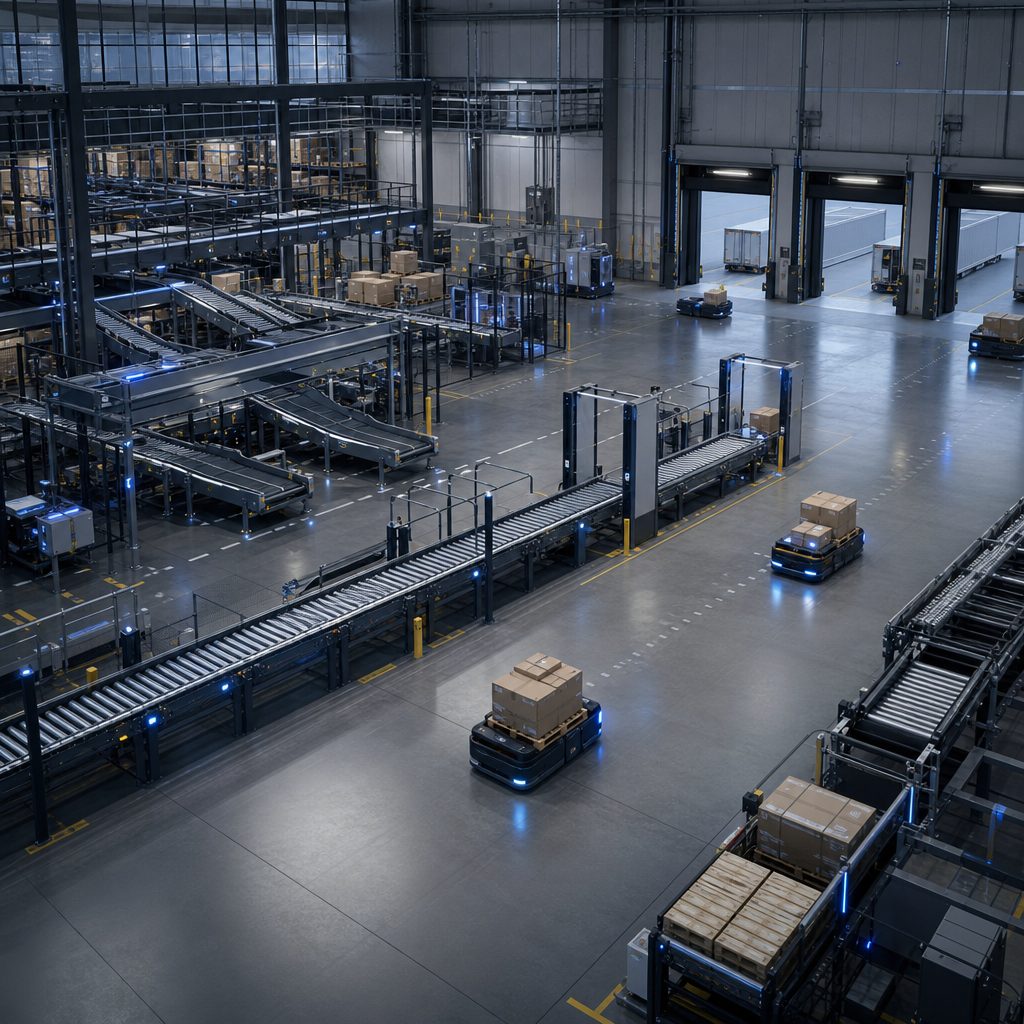
Adaptive logistics integration is the process of connecting warehouse, inventory, transportation, fulfillment, and planning systems so they can respond to operational changes in real time. Instead of running logistics through isolated software, manual workarounds, and fixed rules, the business operates through a coordinated system built for dynamic logistics management, intelligent routing, and faster exception handling.
For mid-sized manufacturers and distributors, the issue is rarely a lack of software. The issue is fragmented execution. An ERP may hold inventory balances, a WMS may control warehouse activity, a TMS may manage freight, and spreadsheets may still decide priorities. Adaptive supply chain integration closes those gaps by creating a live operating layer that supports real-time supply chain optimization and integrated logistics automation without forcing a full rip-and-replace.
| Point | Details |
|---|---|
| Core definition | Adaptive logistics integration connects systems, data, workflows, and physical operations so logistics can adjust to demand shifts, delays, and constraints in real time. |
| Main business value | It improves inventory accuracy, order flow, shipping performance, labor utilization, and decision speed across the network. |
| What makes it adaptive | Rules, automations, and alerts respond to current conditions instead of relying on static planning assumptions. |
| Common use cases | Multi-warehouse inventory synchronization, carrier selection, fulfillment prioritization, dock scheduling, and exception management. |
| Implementation reality | Most companies can phase this in by integrating around existing systems rather than replacing everything at once. |
Table of Contents
What Adaptive Logistics Integration Actually Means
Traditional integration usually means one system passes data to another on a schedule. Adaptive logistics integration goes further. It synchronizes data, business logic, and operational triggers so warehouse decisions, replenishment logic, shipping choices, and customer commitments can adjust continuously as conditions change.
That matters because logistics is not static. Inbound delays, inventory discrepancies, labor shortages, priority orders, weather events, and carrier constraints all force daily changes. An adaptive model allows intelligent logistics systems to identify those changes early and reroute work through rules, automations, and exception queues instead of relying on email chains and manual intervention.
In practice, this often means connecting the ERP, WMS, TMS, order management system, automation controls, barcode infrastructure, forecasting tools, and business intelligence dashboards into a coordinated operating environment. Companies exploring warehouse automation integration or inventory accuracy across warehouses usually discover that equipment alone does not solve the problem. The operating system behind the process is what determines whether the network can adapt.
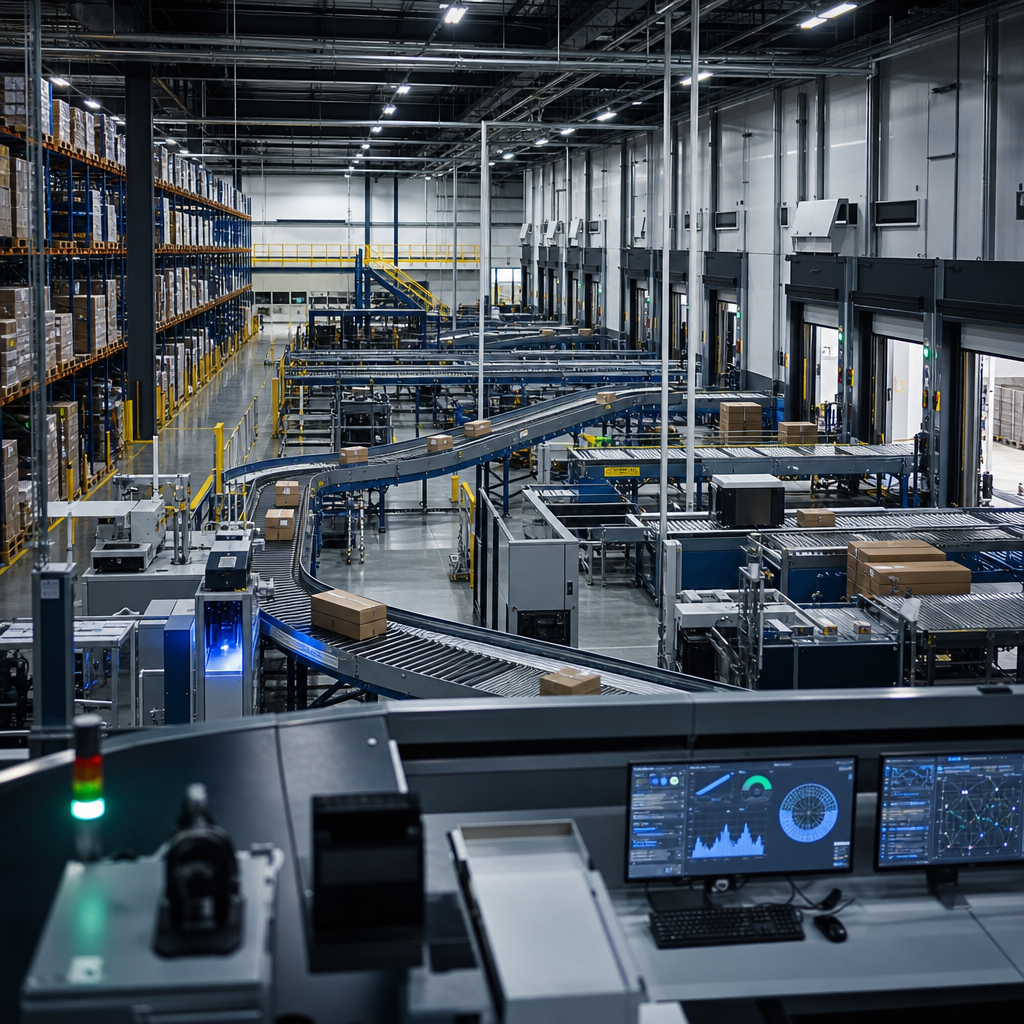
A useful way to think about adaptive supply chain integration is by separating three layers:
- System connectivity: APIs, EDI, middleware, PLC integration, and event streams.
- Operational logic: allocation rules, routing decisions, replenishment thresholds, and exception management.
- Execution feedback: scan events, shipment confirmations, inventory moves, downtime alerts, and performance metrics.
When those layers are aligned, integrated logistics automation becomes practical. Orders can be rerouted to the best warehouse, replenishment can trigger from actual velocity instead of static reorder points, and customer service can work from current execution data instead of stale reports. That is the difference between simple connectivity and an adaptive operating model.
Why Operations Teams Need It Now
Most logistics organizations are under pressure from both sides. Customers expect shorter lead times and accurate delivery commitments, while internal teams are expected to reduce labor cost, inventory exposure, and freight spend. Without adaptive logistics integration, those goals conflict because each team works from different data and different priorities.
The external environment is also less predictable than it was a decade ago. According to the U.S. Census Bureau, manufacturers and distributors operate in markets with frequent shifts in demand, inventory, and shipping volume. At the same time, transportation variability, labor volatility, and service-level expectations continue to compress planning windows.
Real-time supply chain optimization is no longer just an enterprise concept. Mid-market operators need it because even moderate complexity creates failure points fast: multiple facilities, mixed fulfillment channels, partial automation, supplier variability, and carrier fragmentation. Companies working on reduce shipping delays at scale or fulfillment process optimization often find that delays come less from one broken tool and more from poor coordination between tools.
Operator view: If your planners, warehouse leads, and transportation team cannot see and react to the same live operational state, you do not have an optimization problem first. You have an integration problem.
There is also a data quality issue. The National Institute of Standards and Technology has documented how poor data and process inconsistency create measurable operational cost across industries; see NIST for broader standards work relevant to digital operations. In logistics, this shows up as inventory mismatches, duplicate touches, avoidable expedites, and late recognition of exceptions.
Pro Tip: Before buying more point technology, map every place your team rekeys data, exports spreadsheets, or waits for status confirmation. Those delays usually show where adaptive integration will create the fastest return.
For many operations leaders, the immediate value comes from fewer blind spots:
- Inventory positions update across locations faster.
- Order promises reflect actual capacity and stock status.
- Freight decisions account for current warehouse conditions.
- Automation systems feed execution data back into planning.
- Supervisors work from exceptions instead of static reports.
The Core Architecture of an Adaptive Logistics Stack
An adaptive logistics stack is not defined by one software product. It is defined by how systems exchange data and trigger action. In most industrial environments, the architecture includes an ERP as the financial and inventory record, a WMS for warehouse execution, a TMS for transportation, and some combination of automation controls, handheld scanning, forecasting, and analytics.
The missing piece is usually the coordination layer. That may be middleware, an integration platform, an event broker, or a custom orchestration layer. Its job is to normalize transactions, manage business rules, handle exceptions, and create a current operational state shared across functions. That is what supports dynamic logistics management instead of isolated updates between systems.
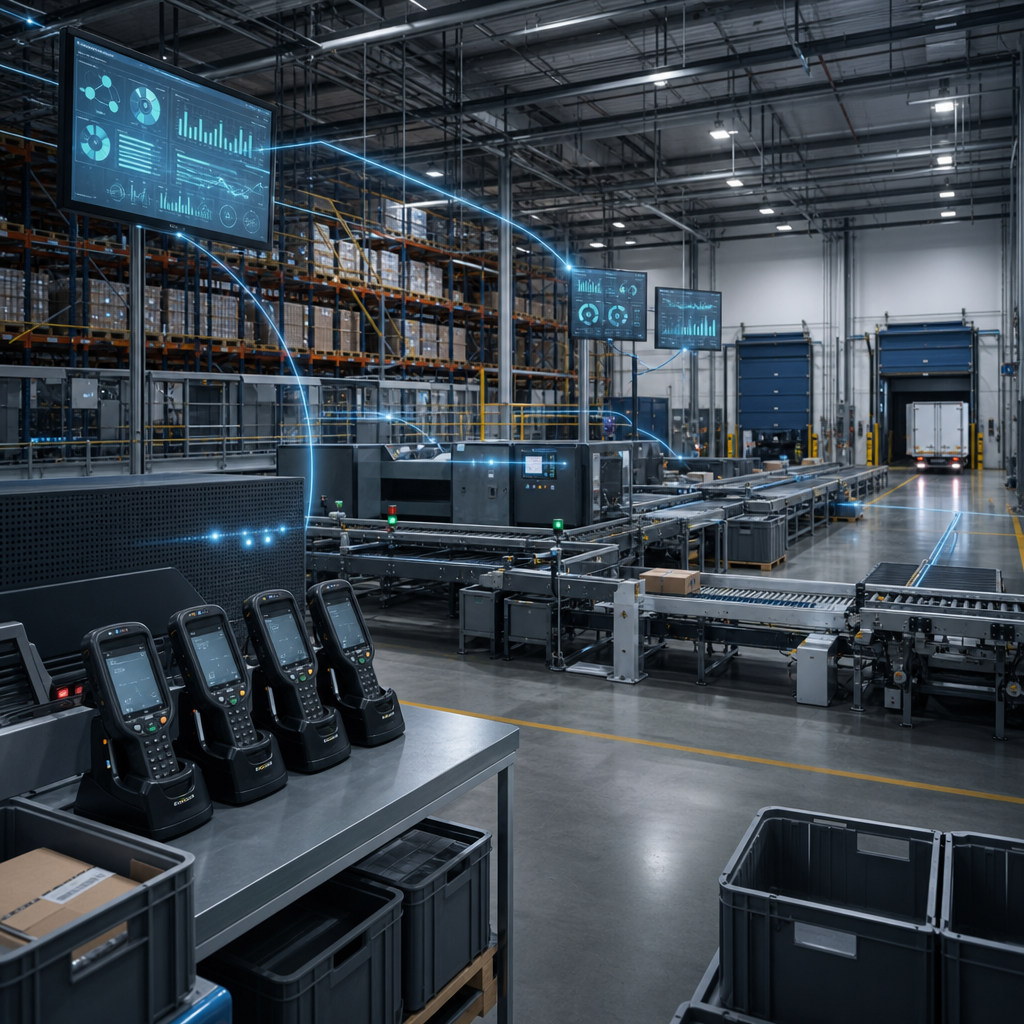
| Component | Role in Adaptive Logistics Integration | Typical Failure if Missing |
|---|---|---|
| ERP | System of record for inventory, purchasing, orders, and finance | Mismatch between operations and financial inventory |
| WMS | Controls receiving, putaway, picking, replenishment, and cycle counts | Manual workarounds and poor warehouse visibility |
| TMS | Supports routing, carrier selection, shipment planning, and tracking | Higher freight cost and inconsistent delivery execution |
| Integration/orchestration layer | Synchronizes events, rules, and workflows across platforms | Data latency, duplicate work, and weak exception handling |
| Automation controls and edge devices | Feed real-time execution signals from conveyors, scanners, sensors, and PLCs | Planning disconnected from physical operations |
| Analytics and forecasting | Drive prediction, alerting, and capacity planning | Slow reaction to demand shifts and bottlenecks |
A strong architecture should support both transaction flow and event flow. Transaction flow moves orders, shipments, receipts, and inventory updates. Event flow handles triggers such as missed scans, dock congestion, delayed inbound loads, short picks, and carrier exceptions. This event-driven design is what makes intelligent logistics systems responsive instead of reactive hours later.
Standards also matter. Depending on the environment, integration may rely on APIs, EDI, message queues, barcode data, machine interfaces, and cloud-based connectors. For warehouse automation environments, broader industrial interoperability concepts are shaped by bodies such as ISO and manufacturing connectivity work from groups like NIST Intelligent Systems Division.
The architecture should also preserve local reality. A distribution operation with aging conveyors and a reliable WMS does not need a clean-sheet rebuild. It needs a system that can integrate to existing equipment, reconcile inventory faster, and route work based on actual constraints. That is why industrial systems integration services and AI forecasting for logistics are often more relevant than a platform replacement discussion.
How to Implement Without Breaking Operations
The safest path is phased implementation. Start with the highest-cost coordination failures, not with the broadest transformation language. In most environments, that means inventory synchronization, order status visibility, fulfillment prioritization, carrier selection, or exception alerts between warehouse and transportation.
Begin with a process map that traces one order from inbound supply through warehouse execution to final delivery confirmation. Document every system handoff, every manual step, every timing lag, and every point where people override the system. That gives you a practical integration backlog based on friction, not theory.
A phased rollout usually follows this pattern:
- Stabilize master data: item records, units of measure, location logic, carrier codes, and customer routing rules.
- Connect core transactions: receipts, inventory movements, order releases, picks, shipments, and confirmations.
- Add event visibility: delays, short picks, equipment faults, dwell time, dock issues, and late departures.
- Automate decision rules: location selection, replenishment triggers, wave release logic, and carrier assignment.
- Layer in optimization: labor balancing, predictive alerts, slotting, route changes, and forecast-driven prioritization.
The implementation team should include operations, IT, warehouse supervision, customer service, and transportation. Adaptive logistics integration fails when designed in a conference room without floor-level input. The people who handle exceptions every day usually know exactly where the architecture needs to flex.
For companies trying to automate fulfillment without replacing everything, the best strategy is often to integrate around stable legacy systems while isolating brittle manual processes. That could mean connecting barcode scans to ERP inventory updates faster, feeding WMS completion events into shipping workflows, or using orchestration logic to rebalance orders across sites. modernize logistics without rip and replace is the right framing for most mid-market operations.
Several public resources support this phased mindset. The MHI industry association regularly publishes research on warehouse and supply chain technology adoption. The Council of Supply Chain Management Professionals is another credible source for logistics operating models and terminology.
How to Measure Results and Avoid Common Failure Points
If adaptive logistics integration is working, you should see measurable gains in speed, accuracy, and decision quality. The first indicators are usually operational: fewer inventory discrepancies, fewer status inquiries, lower order cycle time, fewer manual escalations, and reduced expedite activity. Financial gains follow through lower freight leakage, reduced safety stock pressure, and better labor productivity.
Do not measure success only by whether interfaces are live. Measure whether the network behaves better under stress. An integrated system that still collapses during volume spikes or carrier disruption is only partially integrated. Real-time supply chain optimization should show up when conditions change, not just when the day goes according to plan.
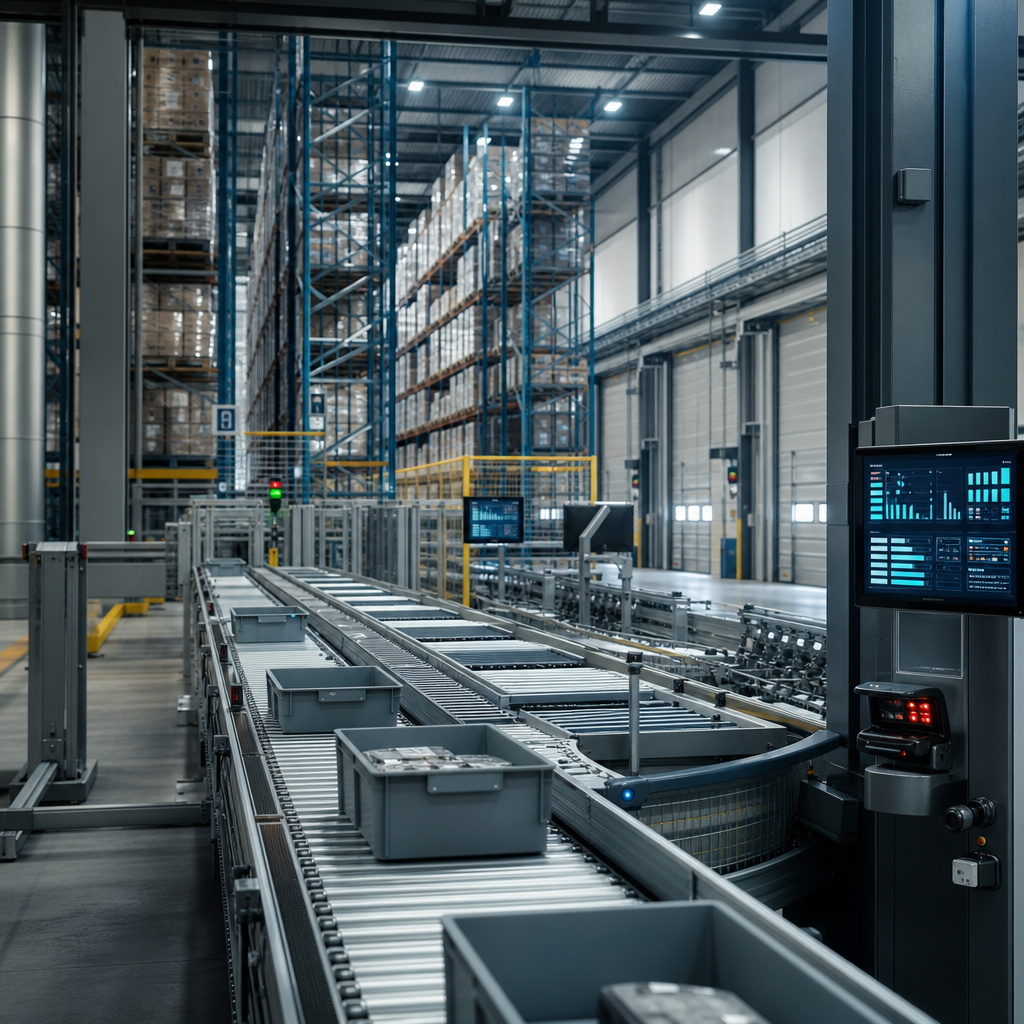
If adaptive logistics integration is working, you should see measurable gains” />
Use a scorecard that ties technical integration to operational performance:
- Inventory accuracy: by facility, zone, and item class
- Order cycle time: release to ship confirmation
- On-time shipment rate: by carrier, site, and customer segment
- Manual touch rate: orders requiring intervention
- Exception resolution time: from alert to closure
- Freight variance: planned versus actual transport cost
- Dock-to-stock time: inbound responsiveness
Common failure points are predictable:
- Poor item and location master data
- Unclear ownership of business rules
- Automation added without process redesign
- Too many one-off integrations with no orchestration layer
- No exception workflow for when data conflicts occur
- No operational KPI baseline before rollout
The long-term payoff is not just efficiency. It is resilience. According to the U.S. Bureau of Labor Statistics, labor market variability continues to affect logistics-intensive operations, which increases the value of systems that can absorb change with fewer manual handoffs. Adaptive integration gives the business options when supply, labor, or transportation conditions shift.
For operators looking beyond dashboards, the end state is straightforward: a logistics system that senses changes early, routes work based on current constraints, and gives leaders one reliable operating picture across facilities. That is the foundation for sustainable growth, and it is why companies investing in supply chain optimization for manufacturers and warehouse systems modernization should treat integration as infrastructure, not as a side project.
Frequently Asked Questions
What is adaptive logistics integration?
Adaptive logistics integration is the connection of warehouse, transportation, inventory, and planning systems so they can respond to live operating conditions. It combines data flow, business rules, and execution feedback to support faster and more accurate logistics decisions.
How is adaptive logistics integration different from standard system integration?
Standard integration usually transfers data between systems on a fixed schedule or through simple triggers. Adaptive logistics integration adds event-driven logic, exception handling, and real-time coordination so the network can adjust as conditions change.
Can a company implement adaptive logistics integration without replacing its ERP or WMS?
Yes. In most cases, the best approach is to integrate around existing stable systems and improve how they exchange data and trigger action. That reduces disruption while still delivering better visibility and operational control.
What business problems does adaptive supply chain integration solve?
It addresses inventory mismatches, shipping delays, poor warehouse visibility, slow exception response, and disconnected fulfillment decisions. It is especially useful when multiple facilities or systems create blind spots between planning and execution.
What systems are typically involved in intelligent logistics systems?
Most intelligent logistics systems include an ERP, WMS, TMS, barcode and scanning infrastructure, automation controls, and analytics or forecasting tools. The critical element is the orchestration layer that coordinates data and decisions across them.
How long does adaptive logistics integration take to implement?
Timing depends on system complexity, data quality, and the number of facilities involved. A phased rollout focused on the highest-value workflows can start producing measurable improvements in a few months, while broader transformation takes longer.
What KPIs should be tracked for real-time supply chain optimization?
Track inventory accuracy, order cycle time, on-time shipments, manual touch rate, exception resolution time, dock-to-stock time, and freight variance. These metrics show whether integration is actually improving execution under real operating conditions.
Who benefits most from integrated logistics automation?
Mid-sized manufacturers and distributors with multiple systems, growing fulfillment complexity, or recurring service failures benefit the most. Integrated logistics automation is most valuable where manual coordination is limiting scale or hiding operational problems.
Schedule Your Custom Integration Consultation